November 25, 2026
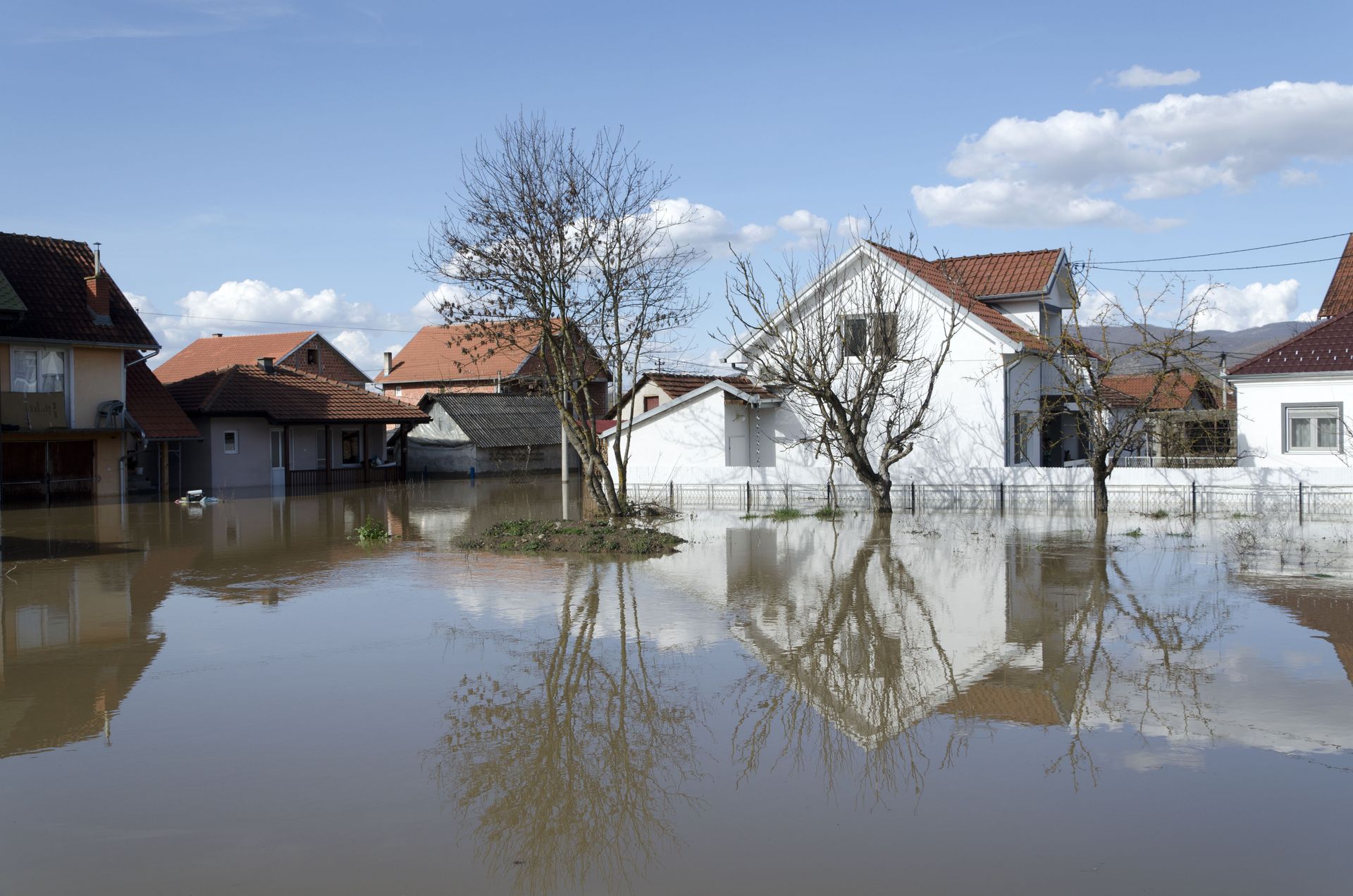
Water damage from heavy rain can destroy a home in minutes, leaving families with massive bills. While most people assume standard policies will step in, this is rarely the case. According to Insurance Business magazine (June 2026), only about 4% of U.S. homeowners currently carry flood insurance despite billions of dollars in annual flood losses. This alarming statistic highlights a massive gap in financial protection across the country. Natural disasters happen without warning, and the financial toll can be devastating if caught unprepared. Getting the right policy in place is a smart move to protect your savings.
When shopping for protection, you will find that not all policies are identical. The National Flood Insurance Program provides standard options across the nation, while private companies offer customized solutions. It is essential to look closely at what your flood insurance coverage provides. Standard government policies generally cap out at a specific dollar amount, which might not be enough to rebuild a large home or replace expensive belongings. Private alternatives might offer higher limits but often come with different price tags and conditions. Comparing these options helps you find a safety net that fits your specific needs and budget.
Examining Building Coverage Details
Your policy first focuses on the physical structure of your house. This means your walls, floors, ceilings, and roof are shielded from water damage. It also extends to fixtures that are permanently attached to the home, like custom kitchen cabinets, built-in appliances, and wall-to-wall carpeting. However, the exact payout you receive depends on how your specific flood insurance coverage calculates this damage. Some policies pay actual cash value, which deducts for depreciation, while others cover the full replacement cost. Knowing how your insurer calculates these payouts prevents you from facing surprise out-of-pocket expenses during a major rebuilding project.
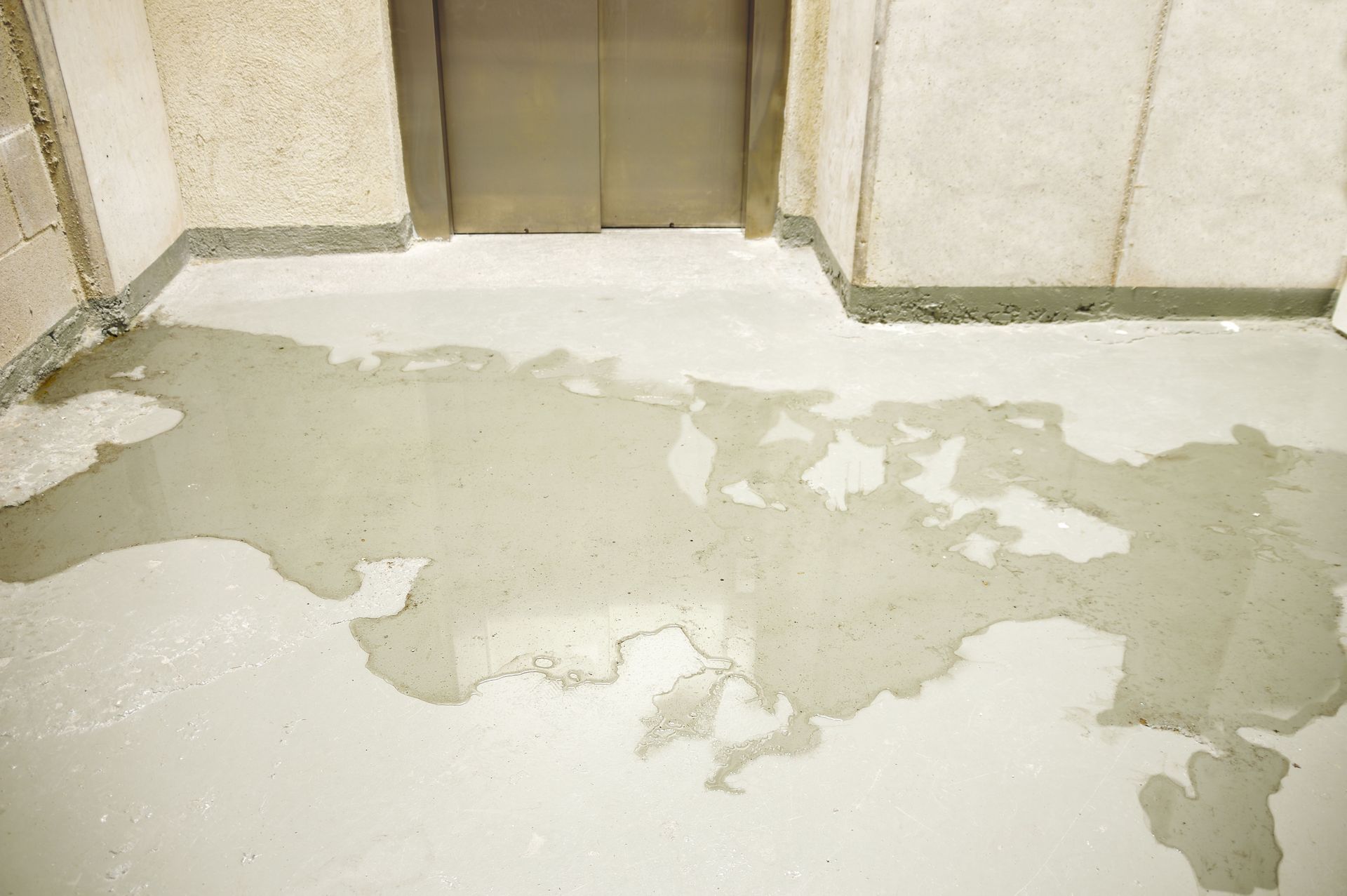
Beyond main living areas, this protection usually extends to attached additions like a garage or deck. However, basement spaces are notoriously complicated when it comes to water damage claims. While the concrete walls and foundation of a basement are typically protected, the finished elements like drywall or custom flooring down there might be excluded. It is incredibly important to talk to your insurance agent about how your policy handles below-ground rooms. Making sure every part of your home is properly documented ensures you have realistic expectations about what will be repaired or replaced if water levels ever rise.
Decoding Contents Coverage Specifics
The second component of your policy focuses on personal items inside your home. This section provides a vital safety net for everyday belongings, including living room furniture, winter clothing, and bedroom sets. Without proper flood insurance coverage for your contents, you would have to replace these items using your own savings. To get the most out of this protection, keep a highly detailed and updated inventory of everything you own. Taking photos and saving receipts makes the claims process much smoother and guarantees you receive a fair settlement for the items that make your house a home.
It is important to recognize that expensive electronics and high-end appliances often come with specific limitations. While everyday items are fully protected, your flat-screen televisions, gaming computers, and modern kitchen gadgets might face strict payout caps. The same rule applies to valuable possessions like fine jewelry, rare artwork, or vintage collectibles. If you own expensive items, you might need to buy an additional endorsement to fully protect them. Discussing these valuable items with your agent ensures you do not encounter frustrating limits during a claim. A clear understanding of these boundaries keeps you prepared for any potential recovery process.
Clarifying Common Policy Misconceptions
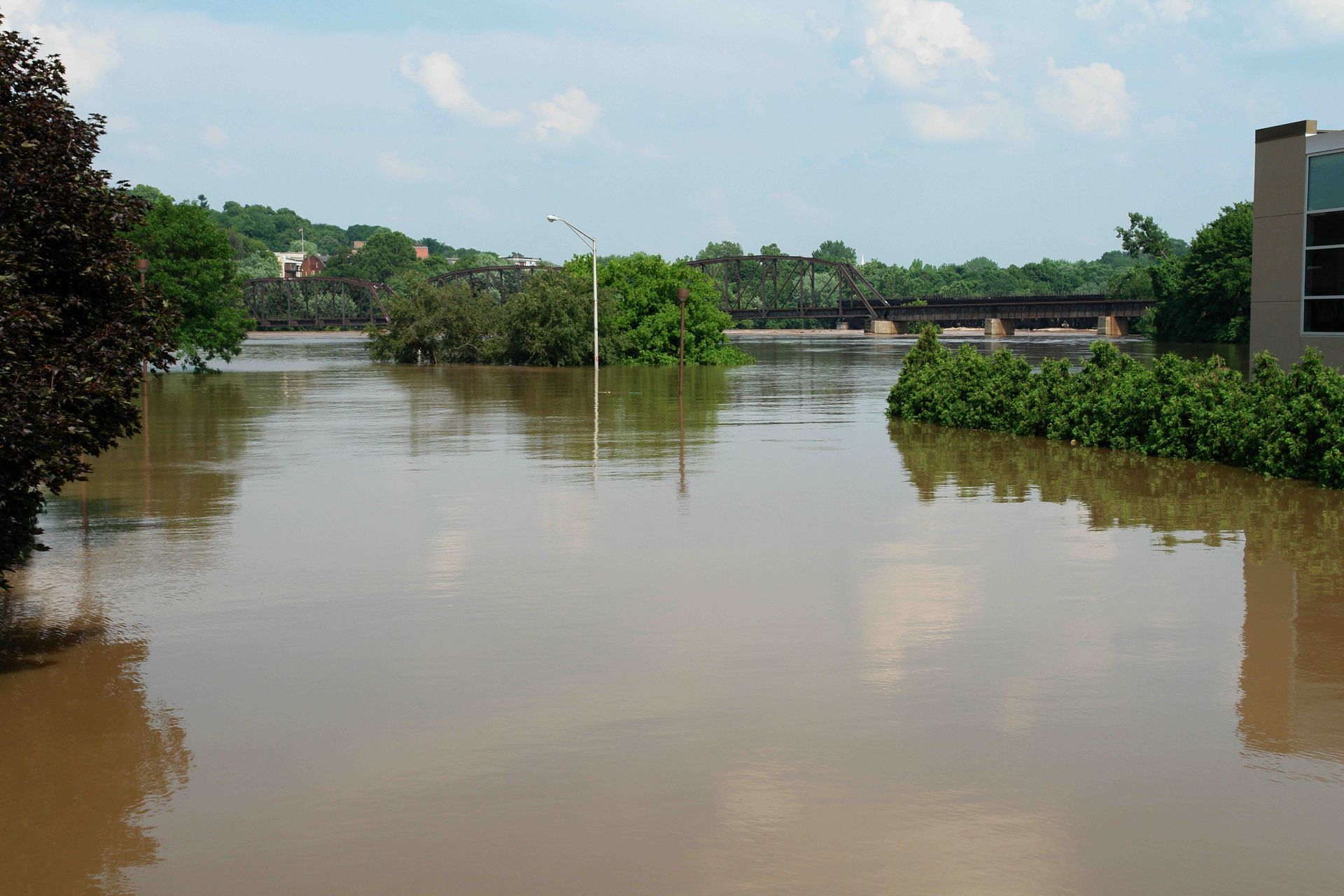
One of the biggest myths is that only houses near the ocean or large rivers need extra protection. Water disasters happen in low-risk and moderate-risk neighborhoods every single year, often catching families off guard. Relying solely on older FEMA maps can be a risky gamble, as modern weather patterns and new housing developments constantly change where water flows. Because of this unpredictability, having reliable flood insurance coverage is a smart choice regardless of your official zone. A flash flood can happen anywhere, and being prepared is the best way to avoid financial ruin from heavy rainfall.
Another dangerous assumption is that standard homeowners policies automatically pay for water damage caused by weather events. In reality, standard policies strictly exclude rising water, meaning you need a separate, dedicated policy to stay protected. Furthermore, many people mistakenly assume that government-backed policies will pay for a hotel if their home becomes unlivable. Unfortunately, typical federal policies do not cover additional living expenses while your house is being repaired. Knowing exactly what is excluded from your standard agreements allows you to seek out private options or extra endorsements that bridge these gaps and keep your family sheltered during repairs.
Evaluating Your Personal Flood Risk
To understand your vulnerability, start by looking at how your property aligns with federal risk maps. These zones dictate your baseline risk and often determine how much your monthly premiums will cost. If you have a federally-backed mortgage and live in a high-risk area, you will be required to carry proper flood insurance coverage at all times. However, these maps are just the starting point for understanding your true exposure. Taking time to learn about your neighborhood's elevation, nearby drainage systems, and local geography gives you a much clearer picture of what you might face during storm season.
Looking at historical weather data for your town is an excellent way to evaluate your risk level. Past incidents of overflowing creeks or overwhelmed street drains can tell you a lot about what might happen during the next major storm. Additionally, shifting global climate patterns are causing more frequent and intense rainstorms in areas that rarely saw heavy precipitation before. As extreme weather events become more common, communities are experiencing unexpected water accumulation. Staying aware of changing environmental factors empowers you to make proactive upgrades to your property, like improving landscaping drainage, while keeping your insurance policies perfectly updated.
Maximizing Your Flood Protection Strategy
Getting the most out of your policy means taking a proactive approach to your finances and inventory. You should sit down annually to review your limits and ensure they still match the current value of your home and belongings. If you have recently renovated your kitchen or bought new furniture, your existing flood insurance coverage might no longer be enough. Working closely with an experienced agent helps you adjust your limits and add necessary endorsements. Staying deeply involved in your policy details ensures that your protection grows alongside your personal wealth, keeping your family safe from unexpected financial setbacks.
Finally, knowing how to file a claim efficiently is the key to a smooth recovery. If disaster strikes, having photographs, receipts, and policy documents neatly organized in a digital folder will save you days of stressful paperwork. You should familiarize yourself with your provider's reporting deadlines and emergency contact numbers long before a storm ever forms on the horizon. By mastering these simple preparation steps, you guarantee that your
flood insurance coverage will perform when you need it most. When you are ready to secure comprehensive protection for your home and belongings, reach out to Spirit Insurance today. Their knowledgeable team will walk you through your policy options and help you build a personalized plan that keeps your family protected.