May 22, 2026
The reality of living in a coastal metropolis like New York brings a unique set of challenges that extend far beyond the bustling streets and towering skyscrapers. For many residents, the proximity to the Atlantic Ocean and various river systems defines the landscape of their daily lives. However, this proximity also brings a persistent threat from rising waters and unpredictable weather events that can transform a peaceful neighborhood into a disaster zone in a matter of hours.
The decision to secure protection against water damage is not merely a box to check on a mortgage application but a fundamental component of financial planning in an era of environmental change. In New York, where property values are among the highest in the nation, the potential for loss is staggering. Whether you are a homeowner in Queens or a renter in lower Manhattan, the vulnerability of your living space to inundation remains a critical concern.
Mitigating Rising Coastal Vulnerabilities
The physical landscape of New York is undergoing a profound transformation as sea levels continue to climb at an accelerated rate. Over the last century, the water surrounding the five boroughs has risen significantly, creating a new baseline for what constitutes a high tide or a minor storm. This change means that even moderate rainfall or seasonal high tides can now push water into areas that were previously considered safe. As the ocean encroaches further inland, the infrastructure of the city faces a constant battle to stay dry, placing an immense burden on individual property owners to remain vigilant.
Increased ocean temperatures contribute to more significant and prolonged hurricane seasons, which directly affect New York. As hurricanes travel up the East Coast, they bring heavy rains and storm surges, leading to widespread flooding. The urban infrastructure in New York, including its subway systems and underground facilities, is particularly at risk. Investing in flood insurance is a proactive measure to mitigate potential losses.
Navigating Historical Water Impacts
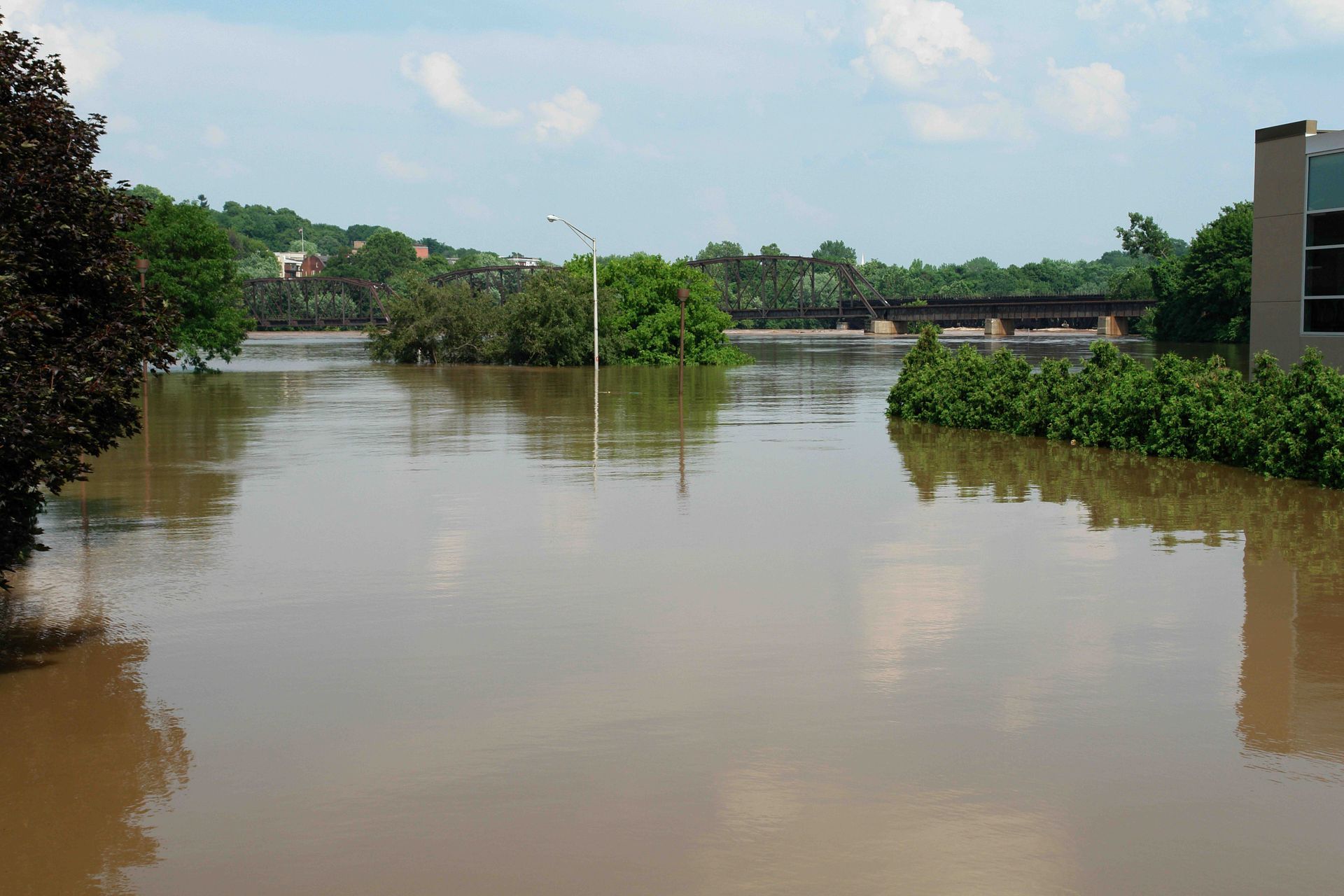
Looking back at the past few decades reveals a pattern of increasingly severe events that have redefined the city's relationship with its waterways. From the unprecedented surge of Hurricane Sandy to the torrential inland rains of Hurricane Ida, the historical record serves as a sobering reminder of how quickly life can be upended. These events demonstrated that water does not respect traditional boundaries or neighborhood lines. The devastation witnessed during these times underscored the fact that many residents were underinsured or completely unprotected against the specific perils of rising water.
According to Fathom, the financial toll of flooding is estimated at $32.1bn currently, and this could rise by more than a quarter by 2050 due to evolving weather patterns alone. This projection highlights the pressing need for comprehensive flood management strategies and insurance coverage. While the immediate impacts of floods are often visible, the long term consequences can be equally severe. Beyond the physical damage, floods can lead to prolonged economic downturns and disruptions in community cohesion. Insurance plays a vital role in addressing these issues by providing financial support and facilitating recovery, acting as a buffer against the unpredictable nature of disasters.
Assessing Dense Urban Runoff
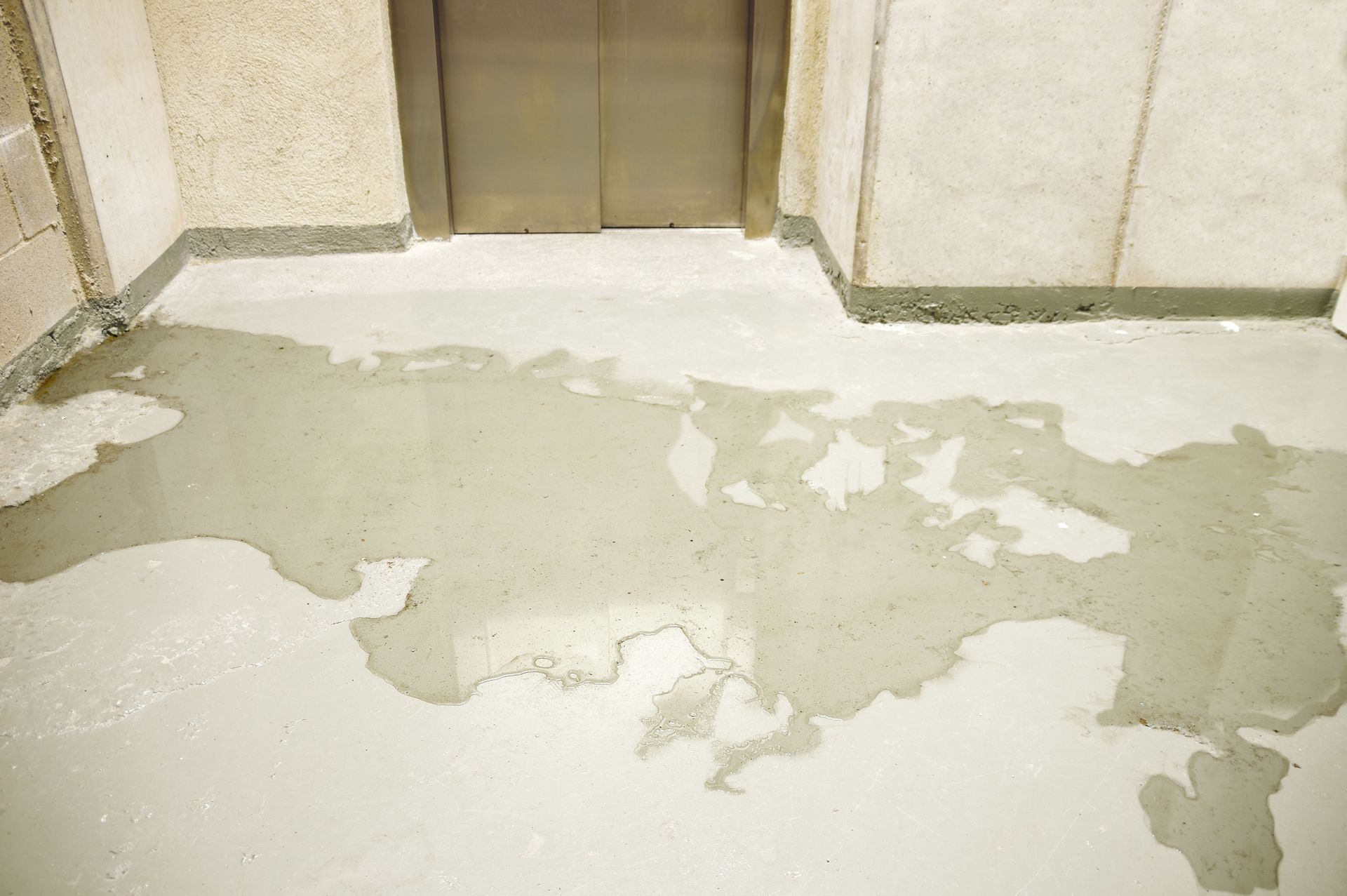
The high density of New York's built environment creates a specific type of risk known as urban flooding, which occurs when heavy rainfall exceeds the capacity of the drainage system. Because so much of the city is covered in nonporous surfaces like concrete, asphalt, and roofing, the water has nowhere to go but into basements and first floor units. This phenomenon is independent of coastal surges and can happen in any neighborhood, regardless of its distance from the ocean. The sheer volume of runoff generated during a summer thunderstorm can be enough to cause thousands of dollars in damage to property and personal belongings.
The dense population and extensive infrastructure of New York exacerbate the challenges posed by urban flooding. Impervious surfaces prevent water from naturally soaking into the ground, leading to more significant and faster water accumulation. This not only increases the frequency of flooding events but also their severity. The economic implications are substantial, with potential damage to property, businesses, and public infrastructure. Having a dedicated policy for flood insurance provides a financial safety net, helping individuals and businesses recover from such events more quickly than they could on their own.
Evaluating Diverse Coverage Tiers
When considering how to protect a residence, it is vital to understand that a standard homeowner's policy almost never includes protection against rising surface water. This gap in coverage often surprises residents when they attempt to file a claim after a major storm. To address this, one must look toward specialized programs or private carriers that focus specifically on water damage. These policies are designed to cover the structural integrity of the building as well as the contents inside, such as furniture, electronics, and appliances, which are often the first things destroyed when water enters a home.
The National Flood Insurance Program (NFIP) is a federal initiative designed to provide affordable coverage to property owners, renters, and businesses. Administered by the Federal Emergency Management Agency, the program aims to reduce the financial impact of inundation by offering standardized policies. These policies cover both structural and content damages, providing crucial protection for those living in high risk zones. For New Yorkers, this program serves as a vital resource for accessing affordable protection. In addition to federal options, private flood insurance can offer higher limits and more flexible terms for those with high value properties or unique needs.
Securing Future Financial Stability
The ultimate goal of obtaining coverage is to ensure that a single weather event does not result in total financial ruin. For many New Yorkers, their home is their largest asset, and their savings are often tied up in the equity of that property. A major flood can erase years of hard work and investment in a single afternoon. By shifting the risk to an insurance provider, you are protecting your future self from the burden of massive repair bills or the loss of your primary residence.
Future predictions indicate that flooding in New York will become more frequent and severe due to ongoing climate change. Rising temperatures increase the likelihood of extreme weather events, including heavy rainfall and hurricanes. These conditions contribute to more frequent and intense events, posing significant challenges for residents and infrastructure. The financial implications are substantial, with potential damages reaching billions of dollars annually. Maintaining a policy for flood insurance is a proactive measure to address these risks, offering financial protection against the unpredictable nature of future environmental shifts and ensuring that your family remains grounded.
The environmental landscape of New York is changing, and with it, the definition of what it means to be a responsible property owner or renter. The data clearly shows that the risks are not static; they are growing alongside our sea levels and the intensity of our storms. Relying on luck or the hope that the next big storm will pass by is not a viable strategy for long term security. The complexities of urban drainage and coastal surges require a specialized solution that goes beyond the basics of standard insurance.
Securing your future starts with a clear understanding of the tools available to you. Whether you choose a federal program or a private carrier, the most important step is to bridge the gap between your current coverage and the reality of the risks you face. Do not wait for the clouds to gather or the warnings to be issued to consider your options. Protect your New York home and your peace of mind by exploring the specialized benefits of
flood insurance through Spirit Insurance today, ensuring you are prepared for whatever the future holds.